Scroll down for video
Drone Debate For or Against Drones?
In time of emergencies, drones can provide vital information, thereby helping them assess risk during events such as train derailments, floods, fires, and hurricanes. For instance, if there were drones during Hurricane Sandy, first responders could have used real-time video to evaluate flooding and fires and possibly even had drones deliver water and medical supplies to people at a breezy time. It has been seen that the pictures drones often send back are clear, precise, and in some cases breathtakingly beautiful. These qualities make drones invaluable for engineering and construction applications as well. They can be used in dangerous situations like the inspection of bridges, roads, buildings, cellphone towers, and roofs. Helicopters are far more expensive and less nimble compared to drones. In places like New York City, drones are being flown close to the ground—which is legal anyway—to inspect cleanup efforts in Coney Island Creek, Flushing Bay, and the Gowanus Canal, as well as to keep an eye on the Long Island and Staten Island coastlines. Despite the fact that Federal Aviation Administration (FAA) is pondering on new rules for drones, it does not allow them to fly within five nautical miles of an airport, a no-fly zone that covers most of New York City. Just as Crain’s has reported, the mayor’s office is yet to issue a single drone permit for filming in public property. Although some users might abuse the usage of drone, it’s not enough to call for a drastic limitation on the places and ways that UAVs can be used in New York City or even banning them outright. The government should allow licensed professionals to safely operate drones in a manner that benefits society and enhances safety. This is why steps to intelligently regulate UAVs and support mandatory training and registration, at point-of-sale or otherwise, are readily welcome.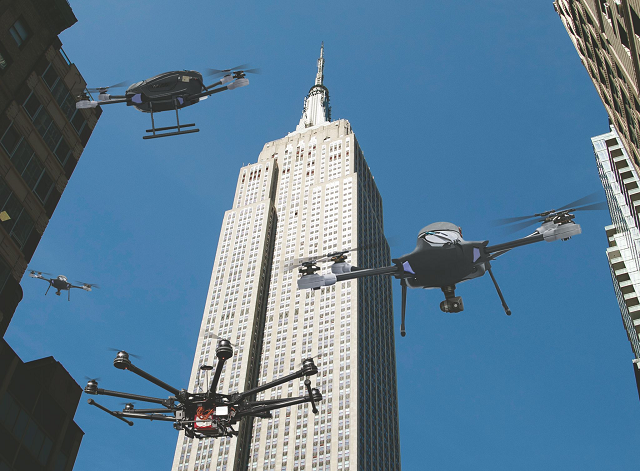
Watch the video below
 Excellentdronesgpstracker